
Prime Freight’s summary of an October 2022 report by The Loadstar. Read the original for the full story.
In late October 2022 Canadian importers and forwarders called for government help, as congestion at inland rail terminals failed to ease as predicted.
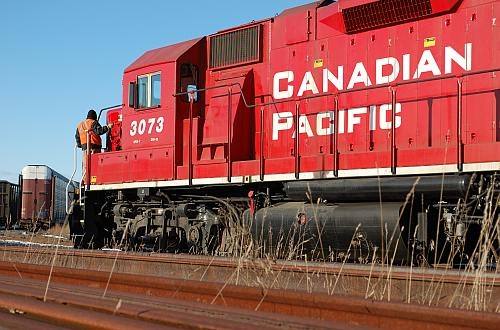
The problems were worst around Toronto and Montreal. A Montreal forwarder told The Loadstar that truckers were waiting up to nine hours to collect containers, sometimes finding boxes still on rail cars after being told they were ready, and that his Toronto office reported even worse conditions. Another forwarder said Canadian Pacific had embargoed West Coast containers to Montreal for much of a week. CN had opened relief yards near both cities in August, charging shuttle fees of $300 to $550.
The forwarders’ association CIFFA argued that government efforts to clear the West Coast ports had pushed the backlog inland, and asked Transport Canada and the Canada Border Services Agency to step in. Companies wanted immediate relief, especially from rail storage charges, which had left some forwarders with unrecoverable bills above C$100,000, while CN had just reported record third-quarter results.
What it meant for shippers
Congested inland rail terminals can run up storage and demurrage long after cargo leaves the port. Tracking boxes at the rail ramp, arranging pickup quickly and agreeing in advance who bears extra charges all help limit the cost.