
Prime Freight’s summary of a May 2022 report by Reuters, as published by Insurance Journal. Read the original for the full story.
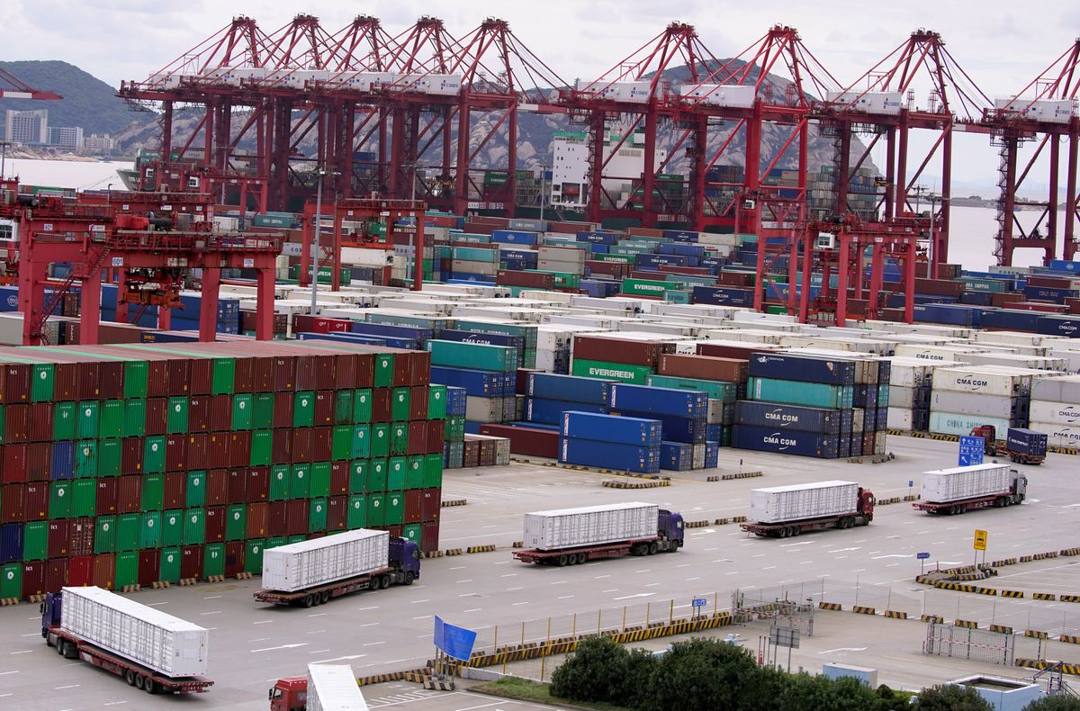
In May 2022 Reuters reported on an RBC study finding that global supply chain problems were getting worse, with about a fifth of the world’s container fleet stuck in port congestion.
RBC’s analysts pointed to China’s Covid lockdowns, the war in Ukraine and other strains. Ships waiting to berth at Shanghai had risen 34% in a month to 344, and moving goods from a warehouse in China to one in the US was taking 74 days longer than usual. Ships from China were reaching Europe four days late on average, contributing to shortages of empty containers for exports.
Insurance premiums for ships in the Black Sea region had jumped to between 1% and 5% of a vessel’s value, from about 0.25% before the war, and marine fuel in Singapore cost 66% more than a year earlier. The average global delay for ship arrivals was 7.26 days in March, against a normal level of around 4.5 days. Turnaround times had risen at Los Angeles and at Rotterdam, Antwerp and Hamburg, and RBC concluded that conditions were worsening rather than improving.
What it meant for shippers
When congestion spreads across several regions at once, transit estimates become unreliable and equipment gets harder to find. In mid-2022 shippers had to plan for longer end-to-end lead times and higher costs.