
Prime Freight’s summary of a December 2022 report by The Loadstar. Read the original for the full story.
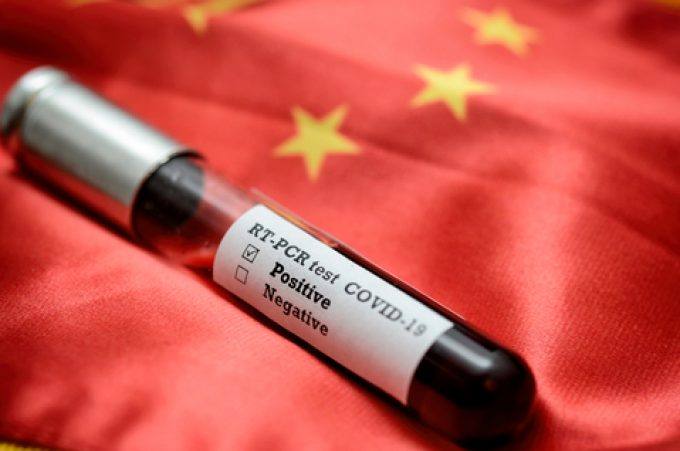
In December 2022, soon after China relaxed its zero-Covid rules, a wave of infections caused worker shortages and factory closures across the country.
A China–Europe land transport planner told The Loadstar the virus had spread very fast: one forwarder had more than half its staff off sick, and a partner in Xinjiang reported 70% of workers infected. Many factories and logistics firms were starting the new-year holiday early, some textile plants in Zhejiang announced breaks of up to two months, and a large share of businesses in Guangdong, Zhejiang and Shandong were expected to stop work by the end of December. Domestic parcel deliveries were also backing up.
Zencargo said some factories might slow output for lack of components, and sick truck drivers could cause further disruption. Timing softened the blow: demand was seasonally low, China’s exports to the US fell 25% year on year in November, and freight rates had dropped sharply, although Linerlytica said capacity cuts were slowing the decline.
What it meant for shippers
When much of the workforce is sick at once, cargo-ready dates slip across factories, trucking and forwarding at the same time. With Chinese New Year approaching, shippers needed to expect longer lead times from China even though ocean space was easy to find.