
Prime Freight’s summary of a January 2022 report by The Maritime Executive. Read the original for the full story.
Sea-Intelligence figures published in January 2022 showed global container schedule reliability falling to 32% in December 2021, the lowest since the firm began measuring it in 2011.
That was 1.2 points below November and 12.5 points below December 2020. Over the whole of 2021 reliability never passed 40% and averaged a little under 36%, with only a brief improvement between March and June. The 14 biggest lines averaged under 26% in December: Maersk and Hamburg Süd were above 40%, Evergreen was lowest at about 14%, and no carrier beat its result of a year earlier. Late ships were running 7.33 days behind on average, the fifth month in a row above seven days, and the annual average delay had grown from under four days in 2018 to 6.8 days.
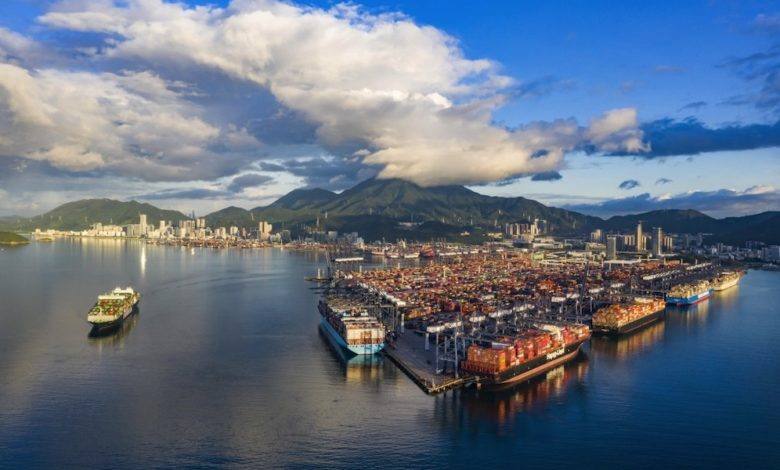
The Maritime Executive tied the slump to congestion at both ends of the transpacific. Hutchison said ships due at Yantian in early January were on average more than 170 hours late, and Los Angeles reported an average berth wait of 17.9 days. In a Container xChange survey, most respondents expected Lunar New Year closures to cause further delays and tighter container supply.
What it meant for shippers
When fewer than one ship in three arrives on time, quoted transit times are a best case, not a plan. Building extra days around Lunar New Year and watching berth waits at the destination port kept expectations realistic.