
Prime Freight’s summary of an October 2021 report by FreightWaves. Read the original for the full story.
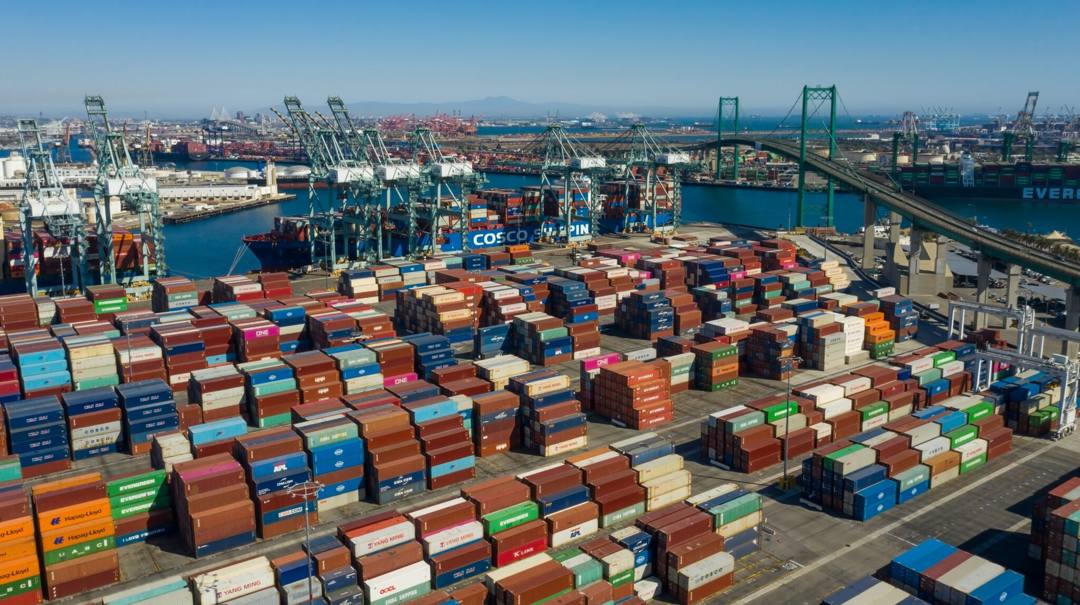
In October 2021 members of the Federal Maritime Commission’s new National Shippers Advisory Council sharply criticised an emergency container fee announced by the ports of Los Angeles and Long Beach.
From 1 November the ports planned to charge ocean carriers $100 per import container, rising by $100 a day, for boxes left at terminals nine or more days (if leaving by truck) or six or more days (if leaving by rail). At the council’s first meeting, members including large importers argued that carriers would pass the charge straight to cargo owners, making it an escalating demurrage bill. Several said it would not speed anything up, because containers were stuck for lack of chassis, trucks and return locations, not by choice. One member called the plan “catastrophic” and warned it could pull the last chassis out of circulation.
Forwarders also questioned how much notice carriers needed before passing the fee on; FreightWaves noted that some carrier tariffs already allowed immediate pass-through.
What it meant for shippers
Port and carrier charges introduced during congestion usually end up on the cargo owner’s invoice. Reading tariff pass-through clauses and tracking dwell days closely are the main ways to anticipate them.
What happened next
The fee was postponed repeatedly and never collected, and the ports retired it on 24 January 2023 (Port of Los Angeles).