
Prime Freight’s summary of an October 2022 report by Inside Logistics. Read the original for the full story.
In October 2022 the Port of Vancouver was still struggling with congestion, while the Port of Montreal faced a different problem: low water on the St. Lawrence River.
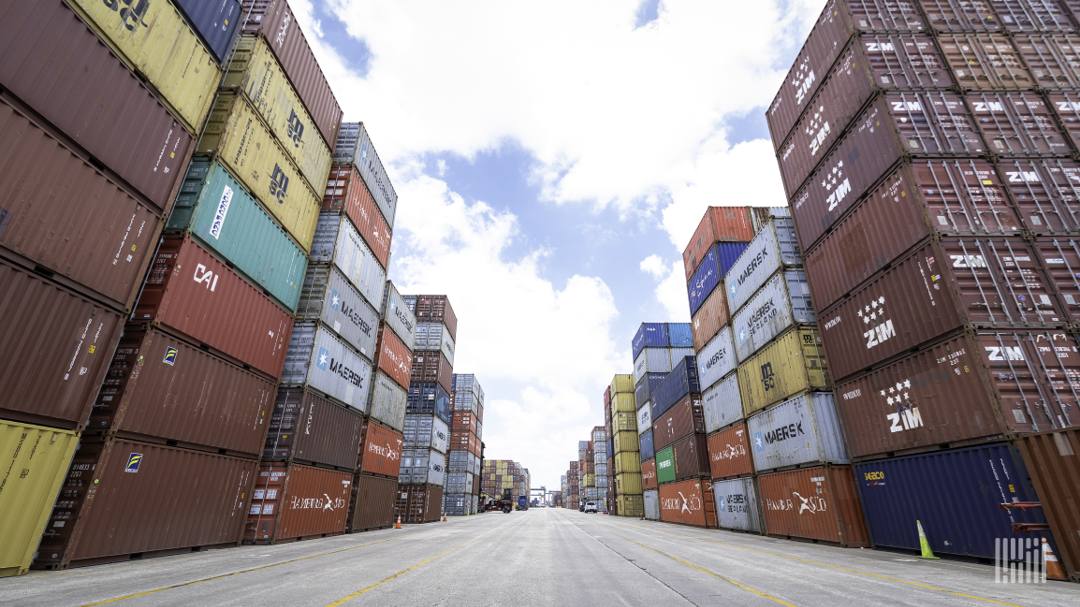
Inside Logistics summarised Maersk’s weekly port overview, which listed Vancouver as heavily congested, with vessel waits of up to 28 days, yard utilisation of about 85% and average rail dwell of around seven days. The port authority’s own figures were more positive, showing average time at anchor had dropped from just over 30 days in August to about 6.6 days.
Rail was the main bottleneck. Vancouver reported large volumes of containers that had been on dock for more than a week at Centerm, Vanterm and Deltaport, and Maersk flagged rail congestion at several US ports too. In Montreal congestion had eased, but Hapag-Lloyd announced a low-water surcharge of US$150 per TEU on its St. Lawrence services from 1 November 2022, as the Canadian Coast Guard forecast further drops in river levels before a gradual recovery.
What it meant for shippers
Carrier advisories and port data can give very different pictures of the same gateway, so it helps to check both. Low-water surcharges are also a reminder that seasonal river conditions can add cost to Montreal-routed cargo even when the terminals are flowing.